
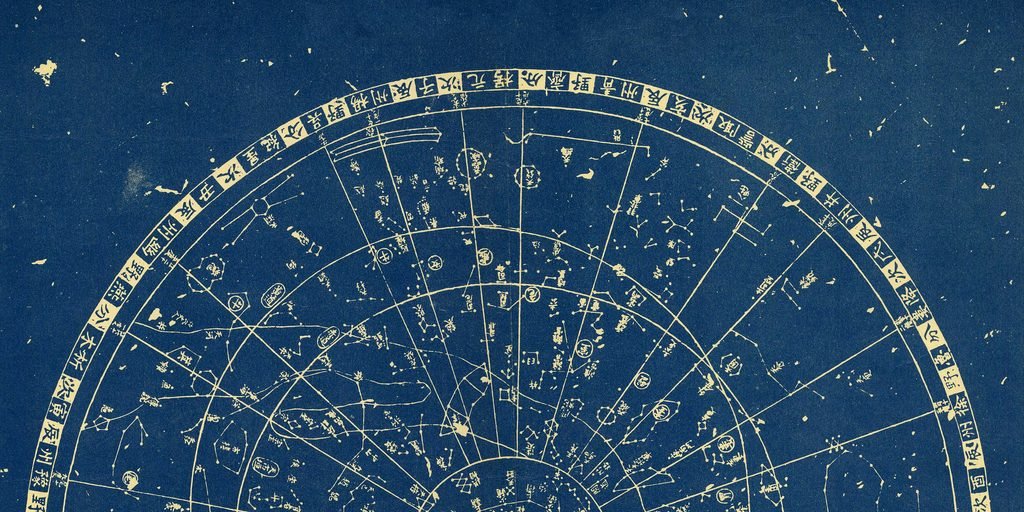
Astrology is loved as much in the east as in the west and is popular all over Asia. However there are important differences, the main one being that one’s “sign” depends not on the month in which one was born – “our twelve signs of the zodiac”, twelve constellations through which the sun, viewed from the earth, appears to move – but on the year. As in the west, there are twelve signs, each one an animal, all of them real animals except for one, the dragon. A myth tells how Buddha invited all the animals of the world to bid him farewell before leaving the Earth. The first twelve animals to arrive were the Rat, Ox, Tiger, Hare/Rabbit, Dragon, Snake, Horse, Goat/Ram/Sheep, Monkey, Rooster, Dog, and Pig. The tale is full of colourful detail about the race the animals ran to arrive first. The Rat, for example, finished first by riding on the ox’s back and then jumping off in front at the last minute; the Dragon could have finished first, but stopped to make rain during a drought, and to help the Rabbit; and the Pig came last because he ate on the way and had a nap. The cat, meanwhile, overslept and never made it, which is why there is no year of the cat.
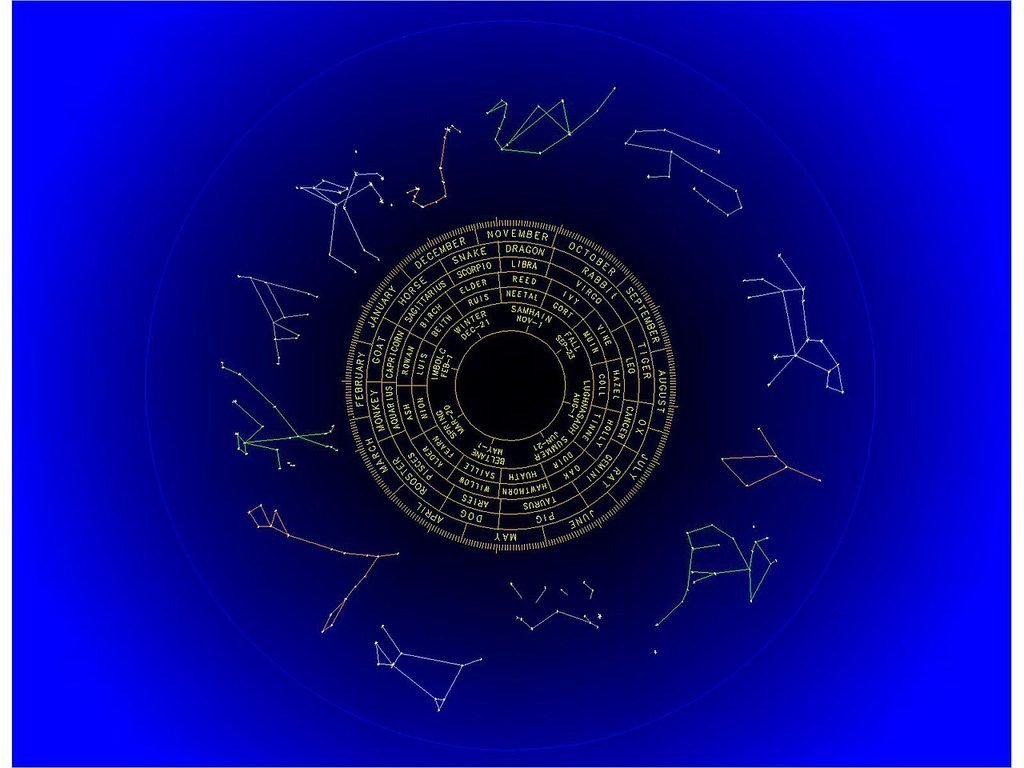
In addition to the twelve animals, one’s birth year is qualified by one of the five Chinese phases, often called the “five elements” in the West because they remind us of our Four Elements (Fire, Earth, Water, Air). The combination of 5 and 12 gives rise to a sixty year cycle which the Chinese based on the sixty-year rotation of the planet Jupiter (known as the “year star” 歳星 ) around the sun. The Five Phases or Five Agents are Wood, Water, Air, Metal and Fire, which have an elegant interplay of their own. On 17th February 2025 we passed from the year of the Wood Snake to the year of the Fire Horse (Chinese New Year falls on the second New Moon after Winter Solstice). This system is used all over Asia, except in modern Japan, which switched to the Gregorian calendar in the 19th century.
As well as their own system of 12 signs, the Chinese also use a system of 28 lunar mansions. These were divided into four groups for the cardinal directions, each corresponding to a divine animal: the Azure Dragon of the East, the Vermilion Bird of the South, the White Tiger of the West, and the Black Tortoise of the North. These creatures are still important today and historians tell us that in China, the system of lunar mansions predates the system of twelve animals which was an idea that started further west and was spread east, first by Alexander the Great (as far as India) and then by Buddhist monks.
Nevertheless, our first contact with Chinese astrology is with the twelve animals, which – just as in our twelve signs – are a prism for understanding different human characters.